What Makes Garage Door Accessories in Parker a Great Investment
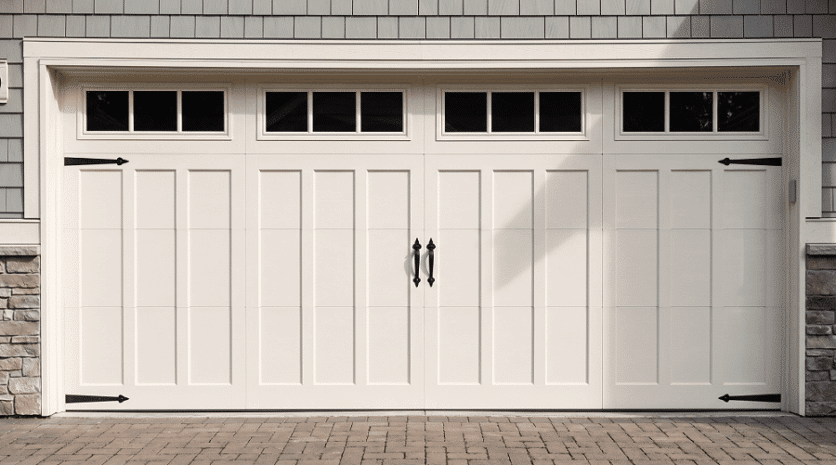
A garage door gets most of the attention, but the accessories around it often decide how well the whole system performs. That is especially true in Parker, where weather swings, active households, and property values all put pressure on the details homeowners might otherwise overlook. A sturdy door and reliable opener matter, of course. Still, the accessories are what turn a basic setup into something safer, quieter, more secure, and easier to live with every day.
I have seen this firsthand in homes where owners spent good money on a new door, then ignored the smaller components. Within a year or two, they were dealing with noisy rollers, poor lighting, frozen weather seals, or a keypad that no longer worked when someone needed it most. On the other hand, I have also seen modest garages function beautifully for years because the owner invested in the right supporting pieces from the start.
When people search for Garage Door Accessories Parker homeowners actually benefit from, the answer is not one universal shopping list. The best investment depends on how you use the garage, how old the current system is, and what problems you want to solve. A family with teenagers and multiple vehicles has different needs than a retired couple using the garage mostly for storage. A south-facing garage in direct sun behaves differently from a shaded one that sees more ice buildup in winter. Good accessory choices reflect those realities.
Why accessories matter more than people think
A garage door is the largest moving object in most homes. That alone makes its supporting hardware and add-ons important. Every day, the door lifts and lowers hundreds of pounds while relying on a network of small parts to stay aligned, balanced, and safe. It does not take much for wear in one area to create bigger trouble somewhere else.
Take rollers as an example. Many older garages still run steel rollers that do the job, but they tend to grow louder as they age and can place more strain on the track and opener if they begin to wobble or bind. Replacing them with quality nylon rollers is not the sort of flashy upgrade anyone brags about at a neighborhood barbecue. Yet it is one of the most practical investments available because it reduces noise, smooths door travel, and can lower wear on the full assembly.
The same logic applies to seals, keypads, smart controls, motion lights, reinforcement brackets, and battery backup systems. None of these items changes the look of the house as dramatically as a new carriage-style door. What they do change is daily use, reliability, and the long-term cost of ownership.
That is why homeowners in Parker often get better value by thinking beyond the panel itself. Accessories solve specific problems. They also help prevent expensive ones.
Parker’s climate makes the right upgrades pay off faster
Parker is not the easiest environment for a garage system. Cold mornings, snow, wind, dry air, and sharp temperature changes all affect moving parts and exposed materials. Even homes with attached garages feel that stress. Rubber components stiffen. Metal contracts and expands. Dust works its way into tracks and sensors. Bottom seals that looked fine in October can show gaps by January.
One of the most overlooked investments in this area is weather sealing. A worn bottom seal or brittle perimeter seal may not seem urgent until you notice cold air spilling into the garage, leaves blowing under the door, or meltwater sneaking inside. If the garage shares a wall with the house, poor sealing can also make the adjacent rooms less comfortable and increase heating strain. The savings from better seals are hard to pin to one exact number because every home differs, but the comfort difference is immediate in most cases.
Insulation accessories also matter more in Parker than many people expect. This does not always mean replacing the whole door with a premium insulated model. Sometimes the right step is adding an insulation kit, upgrading side and top seals, and pairing that with a quieter belt-drive opener and battery backup. For homeowners who use the garage as a workshop, home gym, or entry point several times a day, those upgrades often feel worthwhile almost immediately.
Wind is another local factor. If a garage faces open exposure, reinforcement hardware can be a smart investment, especially on older doors that were not designed with the same expectations as newer models. This is less about fear-driven buying and more about preserving alignment and reducing stress on the system over time.
Security is no longer just about a lock
Garage security has changed. Years ago, people focused mainly on whether the door closed properly. Now the garage is often a main household entry, a package drop area, a storage zone for tools and bikes, and in some homes a direct path into the living space. That raises the stakes.
Modern accessories can meaningfully improve security without turning the system into a complicated tech project. Wireless keypads, rolling-code remotes, smart garage controls, interior slide locks, and camera integrations each address a different vulnerability. A family that routinely misplaces remotes may benefit more from a durable keypad than from another visor clip remote. A homeowner who travels often may get the most value from a smart controller that confirms whether the door is open or closed from anywhere.
I worked with one homeowner who thought a smart control system sounded unnecessary until she realized her delivery drivers kept leaving higher-value packages exposed at the front porch. After installing a monitored garage access setup, she could open the door remotely for a minute, confirm drop-off, and close it again from her phone. That single change solved a practical problem that had nothing to do with novelty and everything to do with convenience and peace of mind.
The key is choosing security accessories that suit your habits. Technology only helps when people actually use it. A simple backlit keypad with temporary guest codes can be a better investment than an elaborate app ecosystem if the household wants reliability more than features.
Safety upgrades protect both people and equipment
Safety accessories are easy to take for granted because they usually do their job quietly, in the background. But when they are outdated, damaged, or poorly adjusted, the risk becomes real. Photo-eye sensors, auto-reverse settings, manual release mechanisms, and opener lights all belong in this category.
If a home has an older opener without current safety features, accessory upgrades can be a sensible stopgap, though there comes a point where full opener replacement is smarter. The judgment call depends on age, condition, and compatibility. That is one of those trade-offs where a professional inspection earns its keep. Spending a few hundred dollars on add-ons for an opener already nearing failure is rarely a great investment. Spending that same amount on a newer, otherwise healthy system can extend its useful life and improve safety at the same time.
Battery backup is another accessory that deserves more attention in Parker. Power outages may not be constant, but they do happen, and they always seem to show up at the least convenient moment. If your garage is your primary entrance, or if a family member depends on it for easier access, battery backup is not just a convenience item. It becomes part of the home’s functional resilience.
Motion-activated lighting also falls into the safety category. A dark garage is an invitation for trips, slips, and missed hazards. Better lighting helps when unloading groceries, checking for obstacles, or simply walking through in winter boots after dark. It sounds small, but anyone who has fumbled around a dim garage with cold hands knows how quickly better light proves its value.
Noise reduction is a quality-of-life upgrade
One of the most common complaints I hear is not that the garage door fails, but that it sounds terrible. Rattling tracks, grinding rollers, vibration through ceiling joists, and the clatter of chain-drive openers can make an otherwise decent setup feel worn out.
Noise matters more in modern homes than it used to. Many garages sit below bedrooms or next to living areas. More people work from home. More households use the garage as the main door several times a day. Under those conditions, quiet operation is not a luxury. It affects sleep, work calls, and general comfort.
Several accessories can make a real difference here. Nylon rollers are usually the first recommendation because they offer strong value for the cost. Vibration isolation brackets, opener reinforcement hardware, belt-drive upgrades, and fresh hinges can also help, depending on where the noise starts. The trick is not to treat every Garage Door Accessories Parker Select Garage Doors sound as if it has the same cause. Sometimes the opener is noisy, sometimes the rollers are worn, and sometimes the whole issue traces back to poor balance or loose track mounting.
A homeowner once told me he assumed he needed a complete new door because the garage sounded like a metal drum every morning. In the end, the door panels were fine. We identified worn rollers, loose hardware, and an aging chain-drive opener transmitting vibration through the framing. Addressing those pieces cost far less than a new door and transformed the way the system felt.
Convenience has real financial value
People often separate convenience from investment, as if one is a Garage Door Accessories Parker luxury and the other is practical. In homeownership, the two overlap all the time. If an accessory saves time, reduces user error, or prevents avoidable wear, it has value beyond comfort.
Consider how families actually use garages. Parents leave early for work, teenagers come and go at different hours, visitors need temporary access, and deliveries increasingly require flexible entry options. Accessories that simplify those routines can reduce a surprising amount of friction.
Here are a few upgrades that tend to deliver practical daily value:
- Wireless keypads for code-based entry without carrying a remote
- Smart controllers that show door status and allow remote operation
- Battery backup systems for access during outages
- Motion-sensing LED lighting for visibility and energy efficiency
- Upgraded remote controls with stronger range and rolling-code security
None of these products is revolutionary on its own. Together, though, they make the garage easier to manage and less vulnerable to common mistakes, such as leaving the door open overnight or locking keys inside the house while stepping out through the garage.
Convenience also protects the equipment. When a door opens smoothly, responds reliably, and lights up the space properly, people are less likely to force it, yank the manual release unnecessarily, or ignore small problems until they become expensive ones.
Small upgrades can support resale appeal
Most buyers do not tour a home saying, “I hope this property has upgraded bottom seals and quiet nylon rollers.” That is not how resale works. Buyers respond to the overall impression of care, function, and maintenance. A garage that opens quietly, feels secure, lights well, and shows no signs of drafts or neglect contributes to that impression.
In Parker, where many buyers compare newer and older homes in the same search, little details can tip perception. An updated keypad, clean tracks, intact weatherstripping, modern safety sensors, and a smart opener create the feeling that the house has been kept up properly. They also reduce the chances that a buyer mentally adds “garage work” to their future project list.
This is one reason Garage Door Accessories Parker homeowners choose often deliver value beyond immediate use. They do not just improve the system for the current owner. They present the home better when it is time to sell. That benefit may not show up line by line in a listing price, but it absolutely affects buyer confidence.
The best investments are the ones matched to the garage
Not every garage needs the same upgrades. That sounds obvious, but plenty of wasted money comes from buying accessories because they are popular rather than useful. A detached storage garage may not need advanced smart controls. An attached garage under a bedroom may benefit enormously from quiet-operation accessories. A home with frequent package deliveries may gain more from monitored access and lighting than from cosmetic hardware.
The strongest approach is to match the accessory to the problem. If the door leaks cold air, start with seals and insulation. If the issue is noise, inspect rollers, hinges, mounting points, and opener type. If security is the concern, look at access control, lighting, and remote management. If the homeowner worries about outages, battery backup moves up the list.
That sort of targeted thinking usually outperforms a broad, expensive upgrade package. It also keeps budgets in line. Many homeowners are pleasantly surprised to learn that the accessories making the biggest difference are not always the most expensive ones.
When accessories are better than replacement, and when they are not
There is a point where accessories stop making sense. If the door is badly warped, the tracks are compromised, the springs are near end-of-life, or the opener is severely outdated, then piling upgrades onto a failing system is poor math. The challenge is knowing where that line sits.
As a rule, accessories are a great investment when the core door and opener are structurally sound, but the system lacks efficiency, convenience, safety, or smooth operation. They are a weaker investment when they are being used to postpone an inevitable major repair on hardware that already shows significant wear.
A practical way to think about it is this:
- Good candidate for accessory upgrades: the door operates reliably, but you want better sealing, quieter movement, easier access, or improved security
- Poor candidate for accessory-heavy spending: the system is already struggling with balance issues, repeated breakdowns, sagging sections, or obsolete safety features
That distinction matters because it protects you from spending twice. First on accessories, then again on replacement shortly after.
Professional installation often determines whether the investment pays off
Some accessories are straightforward for a capable homeowner. Others are deceptively simple but easy to install poorly. Weather seals can be misaligned. Smart controllers can be paired incorrectly. Reinforcement hardware can be under-secured. Sensor alignment can drift just enough to create intermittent failures that are frustrating to diagnose.
The most important point is not whether every accessory requires a technician. It is whether the accessory will perform as intended over time. If a bottom seal bunches up, if a keypad loses programming, or if a roller upgrade is done without addressing worn hinges, the investment loses value quickly.
Professional installers also tend to notice the related problems homeowners miss. A request for quieter operation may reveal track wear or opener strain. A request for better sealing may uncover light structural shifting at the jamb. That broader perspective is often what turns a decent upgrade into a smart one.
What homeowners should evaluate before buying
Before spending money on accessories, it helps to step back and look at the garage as a system rather than a collection of products. Ask how the garage is used, what bothers you most now, and what would create the biggest improvement in the next few years.
Start with the basics. Is the door loud, drafty, dim, inconvenient, or insecure? How often is the garage used as the main entrance? Does anyone in the household need reliable access during outages? Are there bedrooms above the garage? Is the garage finished, heated, or used for hobbies? The answers will usually point toward the best investment faster than any catalog can.
Homeowners should also consider lifespan and compatibility. A premium smart accessory attached to a very old opener may not make sense. A low-cost generic remote may save money upfront but create headaches with range or reliability. Better to buy fewer upgrades that work well with the system than more products that only partly solve the problem.
Why this investment tends to age well
The best home improvements keep paying off after the excitement fades. Garage door accessories fall into that category when chosen carefully. You notice them on cold mornings when the garage feels less drafty. You notice them late at night when the door closes quietly without waking a bedroom above. You notice them when a keypad saves a lockout, when a battery backup works during an outage, or when a smart alert lets you close the door from miles away.
That is the real value. It is not just the accessory itself. It is the reduction in hassle, noise, risk, and wear over time.
For Parker homeowners, where climate and daily use place real demands on garage systems, these upgrades are often more than nice extras. They are practical tools that improve performance, protect the larger investment in the door and opener, and make the home work better. When selected with care, Garage Door Accessories Parker residents install can offer one of the better returns available in routine home improvement, not because they are dramatic, but because they solve problems people live with every single day.
Select Garage Doors
11479 Pine Dr
Parker, CO 80134, United States
Phone: (303) 228-0018
FAQ About Garage Door Accessories Parker
Where can I find garage door accessories?
Garage door accessories are available from garage door service companies, authorized dealers, home improvement stores, and specialist suppliers. Select Garage Doors supplies and installs accessories for homeowners in Parker, including compatible remotes, wireless keypads, weather seals, and smart controls. Check your opener model and door specifications before choosing a replacement or upgrade.
How to make a garage door more attractive?
Cleaning the door, refreshing a manufacturer-approved finish, and choosing coordinated decorative handles or hinge accents can improve its appearance. Compatible window inserts may also change the look of an existing window section. Match accessories to the door material and style, and make sure added hardware does not interfere with movement, seals, or safety equipment.
Where can I buy garage door inserts?
Decorative window inserts can be sourced through the door manufacturer, an authorized garage door dealer, or a supplier that carries parts for your specific door series. Match the model, window frame dimensions, and attachment system; inserts are not universally interchangeable. Ask a professional to confirm compatibility before ordering, especially if the work involves glass or changes to a door section.