Garage Door Accessories Parker: Smart Solutions for Homeowners

A garage door is one of the hardest-working systems in a home, yet it often gets attention only when something stops working. In Parker, where weather swings, dust, and daily family traffic all put stress on moving parts, the right accessories can make a noticeable difference in safety, convenience, and long-term reliability. Most homeowners start with the opener and the door itself, but accessories are what turn a basic setup into a system that fits real life.
That matters more than many people realize. A good keypad saves a family from lockouts. A battery backup keeps the door moving during a power outage. Motion lighting improves safety when someone gets home after dark. Reinforcement brackets and upgraded rollers can reduce strain, lower noise, and help a door last longer. These are not flashy add-ons for the sake of spending more. Done thoughtfully, they solve common headaches before they become expensive service calls.
When people search for Garage Door Accessories Parker, they are usually looking for one of two things. Either they want added convenience, or they are trying to fix a recurring annoyance, like a noisy door, spotty remote range, poor lighting, or a door that feels less secure than it should. The best choices depend on the age of the door, the type of opener, and how the garage is actually used. A detached garage has different needs than a garage that opens directly into the home. A household with teenagers driving every day needs a different setup than a retired couple who uses the garage mostly for storage.
The accessories that earn their keep
Some upgrades sound useful on paper but do very little in everyday use. Others prove their value almost immediately. In the field, a few accessory categories consistently stand out because they solve practical problems without adding much complexity.
Wireless keypads are one of the easiest wins. They are especially useful for families with children, dog walkers, contractors, or anyone who occasionally heads out without house keys. A quality keypad mounted at the right height and protected from direct weather exposure can last for years. The key is choosing one that is compatible with the opener’s frequency and security protocol. Homeowners sometimes buy a universal keypad online, only to learn later that it pairs inconsistently or drops connection in cold weather.
Remote controls remain essential, but not all remotes are equal. Garage Door Accessories Parker Smaller visor remotes are convenient, though easy to lose. Multi-button remotes are better for homes with more than one door or for people who want to control gate access as well. If the garage is attached to the home, rolling-code technology is worth insisting on. It reduces the risk of code capture and unauthorized entry, which was a more common concern with older fixed-code systems.
Battery backup units have become one of the most sensible additions available. Power outages are not constant in Parker, but they happen. When they do, a garage can quickly become the main point of entry and exit. A backup battery is not just about convenience. It can be a real safety feature, especially if a vehicle must be moved or someone in the home has mobility concerns.
Smart controllers and app connectivity are often the first accessories people ask about. They can be excellent, provided expectations are realistic. The strongest use case is simple visibility. Homeowners want to know whether the door is open, close it remotely, or receive alerts when someone accesses the garage. Those are useful functions. The less useful side is the temptation to pile on extra integrations that create more points of failure than benefit. A garage app should do a small number of things reliably. If it struggles with Wi-Fi or sends delayed alerts, it can become more frustrating than the old-fashioned remote it replaced.
Noise reduction is not a luxury
One of the most common complaints in attached homes is noise. A rattling garage door can wake a bedroom above the garage or shake a mudroom wall every time someone leaves early. Accessories aimed at noise reduction often provide some of the best value per dollar, but homeowners tend to underestimate how much difference small components can make.
Nylon rollers are a classic example. Compared with older steel rollers, they usually operate more quietly and often more smoothly. Not every noisy door needs new rollers, but when the existing rollers are worn, cracked, or loose in the track, replacement can transform the feel of the whole system. The same goes for vibration isolation brackets and opener mounts. If an opener is directly transferring vibration into ceiling framing, it can make a standard open-close cycle sound much worse than it really is.
Belt-drive opener accessories also deserve a look if the home has a chain-drive unit that is otherwise in good shape. In some cases, a homeowner may not need a full opener replacement right away, but can still improve the setup with better mounting hardware, quieter rollers, and balanced door adjustments. The point is not to chase silence at any cost. It is to remove unnecessary noise caused by worn or outdated accessories that make the entire system feel rougher than it is.
I have seen homeowners spend money on premium insulation kits expecting a dramatic reduction in garage door noise, only to learn that the loudest sound came from loose hinges and metal rollers slapping through the track. The lesson is straightforward. Diagnose first, then upgrade. Accessories work best when they solve the actual source of the problem.
Safety accessories that should not be optional
Convenience gets attention, but safety accessories are what protect people, vehicles, and the home itself. Any automatic garage door should have functioning photo eyes, an auto-reverse system, and a properly adjusted opener force setting. Beyond those basics, there are several accessories that deserve serious consideration.
Photo eye sensors are not glamorous, but they are essential. If the beam alignment is off by even a small amount, the door may reverse unpredictably or refuse to close. A homeowner might assume the opener is failing when the problem is simply a bumped sensor bracket. In dusty garages, occasional cleaning makes a real difference. Cobwebs, road grime, and storage debris can interrupt the beam more often than people think.
A manual release cord is another simple feature that matters. It should be visible, accessible, and understood by everyone in the household who may need it. During a power outage or opener fault, that cord is what allows the door to be operated manually. If the release handle is too high, tangled, or obstructed by storage racks, it stops being a safety feature and becomes a problem.
If you are considering priorities, these are the accessories that usually offer the strongest return:
- Battery backup for outage protection and emergency access
- Photo eye maintenance or replacement when sensors are aging or unreliable
- Rolling-code remotes and keypads for better security
- Reinforcement brackets for doors under heavy use or wind stress
- Motion-activated lighting around the garage entry area
Reinforcement hardware is particularly relevant on larger doors and older doors. Over time, repeated opener force can stress the top section where the arm attaches. A reinforcement bracket spreads that load and can help prevent cracking or panel fatigue. It is not a cure for a failing door, but on a serviceable door it is a smart preventative measure.
Security begins at the garage, not the front door
Many homeowners in Parker have invested in good front-door hardware, cameras, and smart locks, yet still overlook the garage as a major entry point. That gap is common. The garage feels separate, especially when it is used mainly for parking, tools, or seasonal storage. In practice, it often provides the easiest route into the house.
Modern remotes and receivers with rolling-code technology are the starting point. If an opener is more than a decade or two old, it may be worth checking what security standard it uses. Some older systems are simply not worth building around. Pairing new accessories with an outdated opener can be like putting a modern deadbolt on a weak frame. The accessory helps, but only to a point.
Vacation lock features, whether built into a wall console or added through a smart controller, are another smart layer. When activated, they disable remote signals while the homeowner is away. This is useful during travel, but also during long weekends or any stretch when the garage will not be used much. It is a small feature that many owners forget they have, yet it can materially reduce risk.
Garage side-entry doors deserve equal attention. If the overhead door is secure but the side service door has a weak handle set, old weatherstripping, and visible gaps, the overall security picture is not strong. Accessories should support a complete system, not create blind spots. Motion lights, door sensors, and integrated alerts work best when they are treated as parts of a whole, rather than isolated gadgets.
Parker conditions change what makes sense
Local conditions shape accessory choices more than sales brochures do. Parker’s climate can bring dry air, cold stretches, sun exposure, and wind, all of which influence wear patterns. Accessories that hold up well in a mild coastal climate may not age the same way in a high-plains environment with temperature variation and dust.
Weather seals are a good example. Bottom seals, threshold seals, and perimeter vinyl can greatly improve the comfort and cleanliness of a garage, but only when matched to the floor condition and door type. On a garage floor with minor settling or uneven spots, a thicker bottom seal might help close gaps more effectively than a generic replacement strip. On the other hand, installing an oversized seal on a reasonably flat slab can create extra drag and resistance that works against the opener.
Cold weather also exposes weak batteries, sluggish keypads, and brittle plastic housings. If you are buying accessories for a garage that faces direct sun or strong seasonal swings, build quality matters. The cheapest keypad may work fine for a year and fail after a hard winter. The bargain remote may have short range from day one. This is where professional judgment often saves money. Not every premium accessory is worth the price, but the lowest-cost option is often a false economy.
Dust and debris are another factor. In garages that double as workshops or storage spaces, sensor lenses, keypad buttons, and exposed tracks all take more abuse. Accessories with sealed housings and clear manufacturer support tend to perform better over time. That sounds mundane, but replacement cycles add up. Buying the same low-grade keypad twice in three years is rarely a bargain.
Smart garage accessories that are actually useful
The smart home category is crowded, and garage products are no exception. Some work beautifully. Some are finicky. The difference usually comes down to simplicity, compatibility, and signal strength.
A good smart garage accessory should answer a basic homeowner question: Did the door open, did it close, and can I control it without standing there? Real usefulness shows up in ordinary moments. You leave for work and cannot remember whether the garage closed. Your teenager gets home before you do, and you want an alert when the door opens. A package is being delivered inside the garage, and you want to grant access without sharing a permanent code. Those are legitimate use cases.
Where people get into trouble is overcomplication. If a smart controller requires a string of hubs, adapters, subscriptions, and firmware updates to perform the same task a wall button does reliably, the value drops fast. I have also seen cases where homeowners blamed the accessory when the real issue was weak Wi-Fi at the garage ceiling. Signal strength matters. A connected controller is only as dependable as the network it rides on.
For most homes, the smartest setup is not the most elaborate one. It is a stable opener, a dependable smart controller if needed, a keypad for local access, and notifications configured sensibly. Nobody needs an alert every single time the door cycles unless there is a specific reason. Useful automation should lower friction, not create constant noise.
When a simple accessory solves a stubborn problem
Some of the best upgrades are small enough to overlook. A stronger antenna extension can improve remote range in a garage with signal interference. An upgraded LED light module can brighten a dim garage without drawing much power. A wall control with a motion-sensing light switch can spare homeowners from fumbling for a separate light switch while carrying groceries.
One homeowner I worked with had a perfectly functional opener but persistent frustration with short remote range. The first assumption was that the receiver was failing. The real problem turned out to be the LED bulbs installed in the opener. Certain bulbs can create radio interference that affects remote performance. Swapping to garage-compatible bulbs restored normal range almost immediately. That is the kind of issue that can send someone shopping for the wrong accessory unless they troubleshoot carefully.
Another common example is floor sealing. People often think of accessories only in terms of electronics, but a threshold seal can make a garage cleaner, drier, and easier to maintain. If wind-driven dust or light water intrusion is a recurring issue, a properly installed threshold paired with a healthy bottom seal can help significantly. It will not cure a major drainage problem, but it can improve everyday conditions in a very practical way.
Choosing accessories without wasting money
Homeowners can spend a lot on accessories that overlap, underperform, or do not fit the actual system. The better approach is to look at use patterns first, then choose upgrades that solve the clearest problems.
A family with multiple drivers will benefit more from a keypad and reliable multi-button remotes than from flashy integrations they barely use. A homeowner with a bedroom over the garage should prioritize quiet rollers, proper door balance, and vibration control. Someone storing tools, bikes, and valuables in the garage may get the most value from security accessories, better lighting, and door status alerts. There is no single best package for every home.
Before buying anything, it helps to check a few basics:
- Opener brand, model, and manufacturing year
- Door size, weight, and general condition
- Existing safety sensor function and alignment
- Wi-Fi strength in the garage, if smart accessories are planned
- Whether the garage is attached, detached, or used as a main entry
That short check prevents a lot of mismatched purchases. Compatibility matters more than marketing. A well-chosen accessory on an average system outperforms a random premium upgrade on the wrong setup.
DIY versus professional installation
Some garage door accessories are well within the reach of a careful homeowner. Battery replacement in remotes, keypad programming, light module swaps, and certain smart controller installations can be straightforward, assuming the instructions are clear and the equipment is compatible. For organized homeowners who label remotes, keep manuals, and follow safety steps, these are reasonable weekend tasks.
Other accessories deserve professional handling. Anything involving spring tension, door balance, track alignment, opener force settings, or structural reinforcement should be approached with caution. Garage doors carry weight, store energy, and can cause injury when adjusted incorrectly. Even something that seems minor, like replacing top fixtures or adding reinforcement hardware, can have knock-on effects if the door is already out of balance.
There is also the issue of diagnosis. A homeowner may think an accessory upgrade is needed when the real problem is a worn bearing, a failing opener gear, or a door panel beginning to split. Installing accessories on top of a failing base system usually produces disappointment. This is why a good service visit often pays for itself. The best technicians do not just sell parts. They explain what is causing the issue, what accessories would actually help, and which upgrades can wait.
Building a garage door setup that still works five years from now
The most successful accessory choices are not the most numerous. They are the ones that still make sense after several years of daily use. That usually means choosing durability over novelty, compatibility over gimmicks, and a balanced system over isolated upgrades.
For many Parker homeowners, a strong long-term setup looks surprisingly practical. Start with reliable safety sensors and a healthy opener. Add rolling-code remotes and a keypad for access. Include battery backup if outage resilience matters. Upgrade rollers and vibration points if noise is a concern. Improve lighting and weather sealing where the garage’s actual conditions justify it. If smart control fits your routine, add it with a stable network and modest expectations.
That is the real value behind the search for Garage Door Accessories Parker. The goal is not to load the garage with gadgets. It is to make one of the home’s busiest entry points safer, quieter, more secure, and easier to live with every day. When accessories are chosen with that standard in mind, they stop being extras and start feeling essential.
Select Garage Doors
11479 Pine Dr
Parker, CO 80134, United States
Phone: (303) 228-0018
FAQ About Garage Door Accessories Parker
Where can I find garage door accessories?
Garage door accessories are available from garage door service companies, authorized dealers, home improvement stores, and specialist suppliers. Select Garage Doors supplies and installs accessories for homeowners in Parker, including compatible remotes, wireless keypads, weather seals, and smart controls. Check your opener model and door specifications before choosing a replacement or upgrade.
How to make a garage door more attractive?
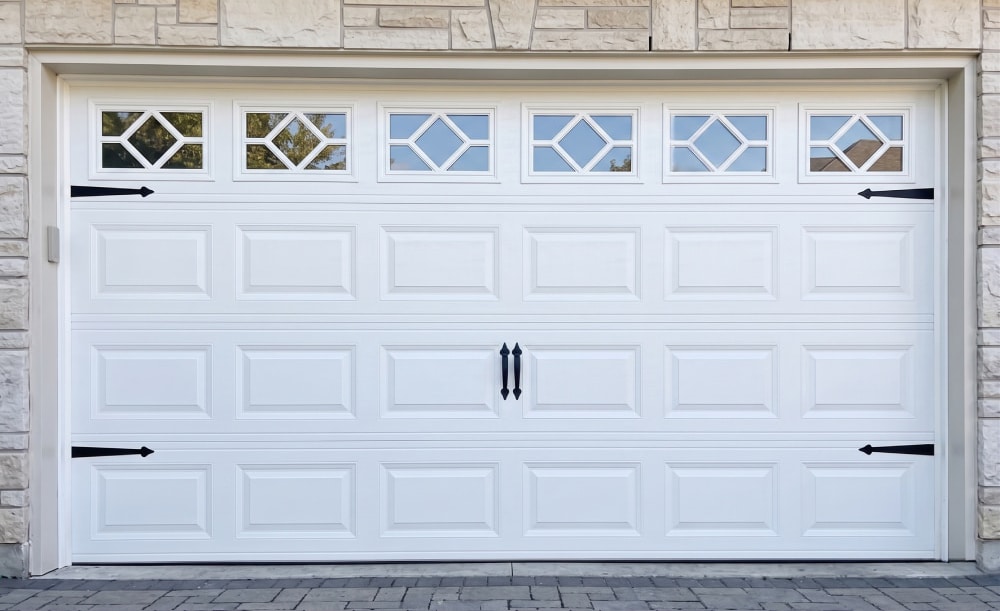
Cleaning the door, refreshing a manufacturer-approved finish, and choosing coordinated decorative handles or hinge accents can improve its appearance. Compatible window inserts may also change the look of an existing window section. Match accessories to the door material and style, and make sure added hardware does not interfere with movement, seals, or safety equipment.
Where can I buy garage door inserts?
Decorative window inserts can be sourced through the door manufacturer, an authorized garage door dealer, or a supplier that carries parts for your specific door series. Match the model, window frame dimensions, and attachment system; inserts are not universally interchangeable. Ask a professional to confirm compatibility before ordering, especially if the work involves glass or changes to a door section.