Garage Door Accessories in Parker for Better Security and Access
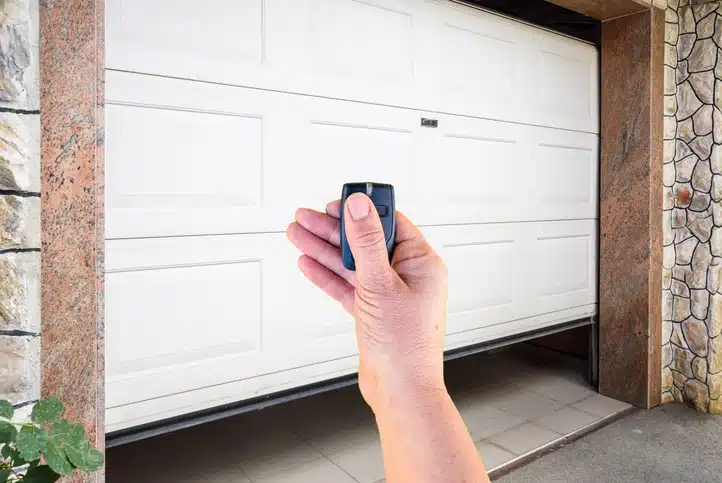
A garage door does more than lift and close. In many Parker homes, it serves as a primary entrance, a buffer against weather, and a weak point if the right accessories are missing. People tend to focus on the door panels or the opener motor, but the pieces around the system often do the real work when it comes to security, convenience, and long-term reliability.
That matters in a place like Parker, where conditions shift fast. Dry summers, sudden cold snaps, wind, dust, and the everyday rhythm of school drop-offs, work commutes, and package deliveries all put demands on a garage door system. A basic opener and a pair of old remotes might still function, but function is not the same as secure, quiet, and easy to live with.
When homeowners ask about Garage Door Accessories Parker options, they are usually trying to solve one of three problems. They want better access for the people who should get in, better protection against the people who should not, or fewer headaches from a door that feels dated and temperamental. The best accessory choices address all three at once.
The difference accessories make
A garage door can be structurally sound and still be frustrating to use. I have seen newer doors with poor lighting at the entry point, outdated remote controls with inconsistent range, and safety sensors mounted just a little too low, so they get knocked out of alignment every few months. On paper, the system worked. In practice, it annoyed the homeowner every week.
Accessories fill those gaps. They are not cosmetic add-ons in the usual sense. A keypad lets a child get inside after school without carrying a key. A battery backup keeps the door usable during a power outage. Motion-activated lighting reduces the chance of someone walking into a dark garage at 6 a.m. Or 10 p.m. Reinforced brackets and smart monitoring add another layer of protection that many owners do not realize they need until after a close call.
The right setup also lowers wear. A smoother, better-controlled open and close cycle puts less stress on rollers, springs, and the opener itself. That saves money over time, even if the accessory decision starts as a convenience upgrade.
Start with access, because convenience often drives security
People usually improve security only after inconvenience exposes a weakness. A lost remote, a teenager forgetting a key, a service person needing temporary access, or a garage left open all afternoon because nobody checked the app, these are common situations. Good access control solves them cleanly.
Wireless keypads
A wireless keypad remains one of the most practical upgrades for Parker homes. It seems simple, and that is the point. Mounted outside the garage, it gives family members a secure way to enter without carrying a remote or key. For active households, that alone can make daily life smoother.
The difference between a decent keypad and a frustrating one comes down to weather resistance, backlit buttons, and code management. In Parker, where temperatures can swing and sunlight can be intense, cheap keypads often fade, crack, or become unreliable after a few seasons. A quality unit with a sealed housing lasts longer and responds better in cold weather.
Temporary code features are especially useful. If a pet sitter, cleaner, or contractor needs access for a few days, a temporary PIN is far safer than handing out a remote that may never come back. Once the job is done, the code can be deleted in seconds.
Smart garage control
Smart control is one of the most requested upgrades now, and for good reason. A properly installed smart controller lets you check whether the door is open, close it from your phone, and receive alerts when it moves. That is not just a convenience feature. It addresses one of the most common real-world problems: uncertainty.
Many homeowners have had that moment halfway to work when they wonder if they closed the garage. Without smart control, the only options are driving back home or hoping for the best. With mobile access, they can verify the door status immediately. If the door is open, they can close it. If it opens unexpectedly while the house is empty, they know about it right away.
Not every smart system performs equally well, though. Reliability depends on Wi-Fi coverage in the garage, compatibility with the opener, and whether the app is stable. Some garages in Parker, especially detached or partially insulated ones, have weak signal areas. In those cases, adding a mesh node or a dedicated extender is often part of the job. It is a small detail, but it determines whether the upgrade feels seamless or irritating.
Remotes and in-car controls
Remote transmitters seem basic until they fail at the wrong time. Range drops, buttons wear out, and older systems may use less secure signal formats. Replacing old remotes with rolling-code units can improve both usability and security. Rolling-code technology changes the access code with each use, which makes signal replay attacks far less practical than they were with older fixed-code systems.
For households with multiple drivers, a mix of visor remotes and built-in vehicle controls usually works best. I have seen people try to save money by sharing a single remote between two or three cars. That arrangement never lasts. It leads to remotes getting misplaced, left in unlocked vehicles, or dropped in cup holders until they stop working. Small upgrades become worthwhile when they match actual daily behavior.
Security accessories that deserve more attention
The obvious security focus is stopping unauthorized entry, but there is another side to garage security: reducing opportunities for accidental compromise. A garage is often connected to the house, and it frequently stores tools, bikes, and equipment that are easy to resell. That makes it attractive to intruders and costly for homeowners.
Some accessories pull more weight than others.
- Wireless keypad with temporary PIN capability
- Smart controller with real-time status alerts
- Battery backup for the opener
- Reinforced bottom seal and perimeter weatherstripping
- Motion-activated interior and exterior lighting
This short list covers the upgrades that most consistently improve both security and practical use. What makes them effective is that each one solves a common failure point. The keypad reduces key and remote sharing. Smart alerts catch mistakes fast. Battery backup prevents lockout during outages. Seals protect the lower edge from water, dust, and prying opportunities. Better lighting removes blind spots around a vulnerable entry point.
Battery backup is not a luxury
A battery backup on the opener gets overlooked until the power goes out on a freezing evening and the car is trapped inside. In Parker, outages are not a daily problem, but they happen often enough that a backup system makes sense, especially for families who rely on the garage as the main point of entry.
There is a security dimension too. During an outage, people may disengage the opener and use manual operation, then forget to reconnect the system properly. Others may leave the door partially secured because it is inconvenient to handle in the dark. A battery backup keeps normal operation available, and normal operation is usually safer.
Homeowners sometimes assume a backup battery lasts indefinitely. It does not. Like any battery, it ages, and replacement intervals vary depending on usage and temperature. A good installer should explain what to expect and how the backup signals low capacity.
Lighting changes behavior
Better lighting around the garage seems almost too simple to mention, Garage Door Accessories Parker but it has an outsized effect. Dark side approaches, shadowed corners, and dim interiors make people rush, fumble, and overlook small problems. They also make it easier for someone to approach unnoticed.
Motion-activated LED fixtures work especially well at garage entries because they add visibility without requiring anyone to hit a switch. Inside the garage, bright overhead lighting helps with everything from parking alignment to spotting a worn cable before it becomes a service call. Outside, lighting above the garage and near the side access door removes hiding spots and helps cameras capture usable footage.
The best setups avoid one common mistake: over-lighting with harsh glare. If a fixture blinds the driver as the door opens at night, it creates a different problem. Light placement matters as much as brightness.
Safety sensors and monitoring, the accessories that people forget until they fail
Every modern automatic garage door relies on photo-eye sensors near the floor. These are technically standard components, but they behave like accessories in the sense that their condition and placement have a huge effect on day-to-day safety. When they drift out of alignment or become dirty, the door may reverse unexpectedly or refuse to close.
I have seen households waste weeks blaming the opener when the real issue was a sensor bracket bent by a trash can or bike tire. Upgraded brackets, protective mounts, and better cable routing can make these sensors far more durable, especially in busy garages where storage creeps toward the door opening.
Some monitoring systems go a step further and log open and close events. That can be useful for families with older children, rental properties, or homeowners who travel often. It is not necessary for everyone, but in the right setting it gives a clear record instead of guesswork.
Weatherproofing accessories pull double duty
Security conversations often skip weatherproofing, which is a mistake. Gaps around a garage door invite not just dust and water but also visibility, pests, and easier tampering. A worn bottom seal or cracked perimeter weatherstripping can leave the garage colder in winter, hotter in summer, and more vulnerable overall.
In Parker, wind-driven dust and seasonal temperature swings expose weak sealing fast. You can often see the evidence from inside the garage, thin lines of daylight at the sides, leaves collecting near the threshold, or moisture marks after snowmelt. New seals are inexpensive compared with most garage repairs, but they need to be sized and installed correctly. A seal that drags too aggressively can create opener strain. One that is too light may not make good contact along an uneven floor.
Insulated threshold seals can help where the slab has minor irregularities. They also reduce water intrusion during storms. This is one of those upgrades that owners appreciate more after the first bad weather event than on the day it is installed.
Parker homes are not all alike, and that affects accessory choices
Accessory recommendations should never be one-size-fits-all. The right package for a newer subdivision home may be wrong for an older property with a detached garage, limited outlets, or inconsistent Wi-Fi. Even within the same neighborhood, usage patterns differ.
A family with three drivers and after-school activities may benefit most from a keypad, app control, and extra remotes. A homeowner who uses the garage as a workshop may care more about LED lighting, insulation accessories, and a quieter belt-drive compatible setup. Someone who travels often might prioritize alerts, camera integration, and battery backup.
There is also the layout question. If the garage faces open street exposure, visible security accessories and strong lighting carry more weight. If it opens to an alley or sits detached from the house, communication range and environmental durability matter more.
That is why broad shopping by price alone can backfire. A low-cost smart module that drops connection every few days is worse than no smart module at all, because it creates false confidence. A keypad with poor weather sealing is cheap only until it fails after two winters.
When older systems need accessory updates, and when they need more than that
Sometimes accessories are enough to modernize an aging garage setup. Other times they only reveal bigger issues. If the opener is more than a decade old, very loud, or inconsistent in its travel limits, accessory upgrades should be paired with a mechanical inspection. The same applies if the door jerks, binds, or reverses unpredictably.
There is a practical sequence that works well here.
- Check door balance, springs, rollers, and tracks first
- Confirm opener compatibility with smart and safety accessories
- Upgrade access controls such as remotes and keypad
- Improve lighting, seals, and backup power
- Test the full system under normal daily use
That order prevents a common mistake, installing convenient new controls onto a door system that is overdue for service. If the underlying hardware is strained, the accessory experience suffers. Worse, homeowners may assume the new technology caused the problem, when the real culprit was a worn spring or misaligned track.
A few accessory choices that pay off quietly over time
Some of the best upgrades are not flashy. Nylon rollers, for example, are often treated as maintenance parts rather than accessories, yet they can make a dramatic difference in noise and smoothness compared with older metal rollers. For garages below bedrooms or beside living spaces, that matters every single day.
Keychain remotes for walkers and runners are another small improvement that tends to stick. People who leave the house without a car still need simple access, and they are less likely to carry a full-size remote. Likewise, wall consoles with vacation lock modes are worth considering for households that travel often. That feature disables remote operation while you are away, adding a simple layer of protection.
Backup release kits for garages without a secondary entry also deserve mention. If the main overhead door is the only way in and the opener fails, outside emergency release access can be important. It must be installed thoughtfully, because poor installation can create a vulnerability. Done correctly, it solves a legitimate access problem without inviting misuse.
Installation quality matters as much as the accessory itself
There is a tendency to compare accessories as if the product alone determines the outcome. In reality, installation quality often makes the bigger difference. A crooked keypad, loosely mounted sensor, poorly routed low-voltage wire, or camera aimed at glare instead of the driveway can undermine a good purchase.
Professional installation tends to pay for itself when the accessory interfaces with the opener, safety systems, or household connectivity. Homeowners with strong DIY skills can certainly handle some upgrades, but they should be honest about the details. Drilling into exterior trim, syncing modern controls to older units, adjusting sensitivity settings, and securing weatherproof penetrations are jobs where small mistakes create future service calls.
Good installers also look at the whole system. They will notice if the door seals are worn, if the opener light delay is too short for safe entry, or if the sensor wiring is vulnerable to damage. That broader view is hard to get from a box on a shelf.
What homeowners in Parker should prioritize first
If budget limits how much can be done at once, I usually suggest prioritizing based on risk and daily use. Start with anything that affects safe operation, then move to access control, then add convenience features that improve the overall experience. That order tends to deliver the best return.
For many households, the sweet spot is a secure keypad, updated rolling-code remotes, smart status alerts, and reliable lighting. Add battery backup if the garage is the main entrance, and address weather seals if there are visible gaps or comfort issues. Those changes do not require turning the garage into a high-tech project. They simply make the space more secure, more predictable, and easier to use every day.
The phrase Garage Door Accessories Parker can sound like a narrow shopping category, but in practice it covers some of the smartest improvements a homeowner can make. The right accessories protect valuables, reduce friction in busy routines, and support the mechanical life of the door itself. When chosen carefully and installed well, they do not call attention to themselves. They just make the garage work the way it should, every time you come and go.
Select Garage Doors
11479 Pine Dr
Parker, CO 80134, United States
Phone: (303) 228-0018
FAQ About Garage Door Accessories Parker
Where can I find garage door accessories?
Garage door accessories are available from garage door service companies, authorized dealers, home improvement stores, and specialist suppliers. Select Garage Doors supplies and installs accessories for homeowners in Parker, including compatible remotes, wireless keypads, weather seals, and smart controls. Check your opener model and door specifications before choosing a replacement or upgrade.
How to make a garage door more attractive?
Cleaning the door, refreshing a manufacturer-approved finish, and choosing coordinated decorative handles or hinge accents can improve its appearance. Compatible window inserts may also change the look of an existing window section. Match accessories to the door material and style, and make sure added hardware does not interfere with movement, seals, or safety equipment.
Where can I buy garage door inserts?
Decorative window inserts can be sourced through the door manufacturer, an authorized garage door dealer, or a supplier that carries parts for your specific door series. Match the model, window frame dimensions, and attachment system; inserts are not universally interchangeable. Ask a professional to confirm compatibility before ordering, especially if the work involves glass or changes to a door section.